At its core, search engine optimization is about improving visibility so you can increase traffic to your website. The tricky part is making sure you’re showing up in front of the right audience to drive the right traffic. Over the life of your website, your strategy will evolve. Today, that means updating your content regularly, ensuring a fast and seamless user experience, maintaining a technically sound foundation, and building the strong entity signals and authoritative backlinks that both search engines and AI platforms rely on.
TL;DR: Key Takeaways
- Data Beats Guesswork: Ongoing SEO success relies heavily on utilizing Google Search Console and your web analytics to dictate strategy.
- Watch the Big Five: Focus your daily monitoring on Organic Traffic, Impressions, Click-Through Rate (CTR), Keyword/Topic Position, and Page Experience.
- Traffic Quality > Volume: The ultimate goal of monitoring these metrics isn’t just to boost vanity numbers, but to attract highly qualified traffic that actually converts.
- AI is Changing Analytics: Traditional tracking tools don’t always catch traffic coming from generative AI platforms, making holistic monitoring more important than ever.
Using Your Web Analytics Data Tactically
While there are countless tools available for researching your SEO strategy, the most important method for ongoing optimization is knowing how to use your own web analytics and Google Search Console data. Sifting through this data may seem daunting, but focusing on a few key metrics will give you a clear picture of how your work is panning out.
Why Should I Use Google Search Console Data?
Google Organic Channel metrics are critical because they provide valuable insights into how the world’s largest search engine sees and ranks your website. (Bing also offers a robust set of Webmaster Tools that are highly recommended, especially as they integrate closely with their AI features).
This data helps you understand exactly how your website performs in traditional search results and where you need improvement. For instance, if your search traffic is steadily declining, reviewing the Impression and Click data at a query and page level can help you pinpoint the cause and pivot your tactics.
Pro-Tip: The AI Visibility Analytics Gap: Keep in mind that Google Analytics and Google Search Console only show you Google’s data. As more users turn to secure AI platforms like ChatGPT or Perplexity for answers, referral data is often stripped out for privacy reasons. Because of this, you may see a gradual rise in “Direct” or “Unassigned” traffic in your standard analytics. While GA and GSC are foundational, remember that it is now just one piece of the broader, modern search visibility puzzle.
5 Common Metrics to Measure Your SEO Progress
To gauge the general progress of your optimization efforts, start by tracking these five metrics:
- Organic Traffic (Web Analytics): The baseline measure of how many visitors are actually arriving at your site through non-paid search channels.
- Organic Impressions (Google Search Console): A great top-of-funnel indicator showing how often your pages are actually being seen in search results, even if they aren’t clicked yet.
- Organic Click-Through Rate (Google Search Console): This tells you how compelling your titles and meta descriptions are. High impressions with a low CTR means you are visible, but your messaging isn’t resonating.
- Keyword & Topic Position (GSC / External Tools): Tracking where you rank for target queries helps you understand your topical authority within the industry.
- Page Experience & Speed (GSC / External Tools): Search engines prioritize user experience. Slow load times or poor mobile formatting will actively suppress your visibility.
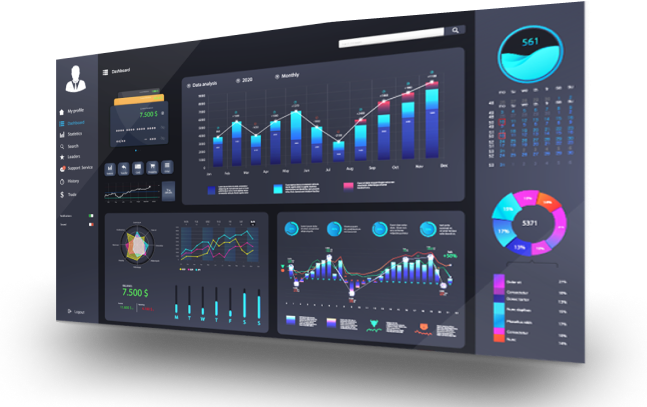
Depending on your business, you will want to track additional key performance indicators (KPIs). The smartest move is to work with an Analytics Specialist to ensure your data and goals are configured properly, giving you dashboards that make monitoring performance effortless.
Why Are Organic Search Metrics Important?
These metrics tell you how search engines view your site and how effectively you are connecting with your target audience. By monitoring these factors over time, you can:
- Identify failing tactics and improve your current SEO strategy.
- Enhance your technical page experience.
- Develop intent-driven content that answers your audience’s actual questions.
- Attract highly qualified traffic that is ready to convert.
Regularly monitoring your key metrics allows you to adapt to changes in the marketplace, adjust to major algorithm updates, and maintain your visibility regardless of where your customers are searching. In today’s rapidly fragmenting digital landscape, evaluating the effectiveness of your efforts with hard data is the only way to ensure long-term ROI.
If you’re ready to learn more about how to measure your SEO efforts for digital marketing success then feel free to connect with our team today for your free consultation.
*This article has been updated with new information for 2026